
THE KATHASARITSAGARA OF SOMADEVA
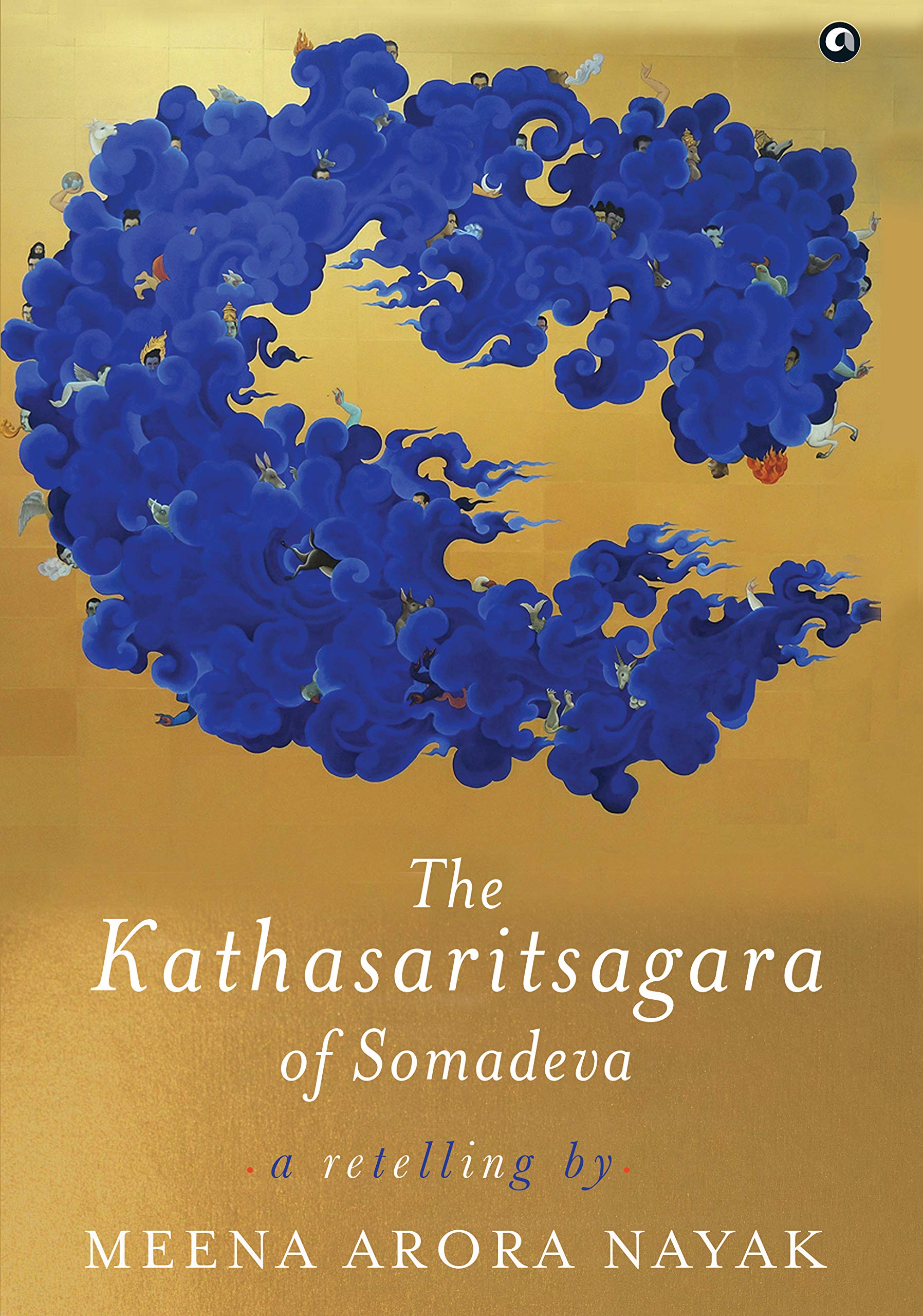
One of India’s greatest epics, The Kathasaritsagara is thought to have been compiled
around 1070 CE by Somadeva Bhatt, during the reign of Raja Ananta of the Lohara
dynasty of Kashmir. Even though this extraordinary work is one of the longest creations
in Indian and world literature, it is considered to be only a small part of an even
longer work called Brihatkatha, composed by Gunadhya in a lost language known as
Paisachi. Somadeva collected and retold the stories of The Kathasaritsagara in Sanskrit
to entertain Raja Ananta’s wife, Suryavati. This masterpiece is foundational for many
of India’s best-loved folk tale traditions, such as Vetala Pachisi and Panchatantra, and
it has influenced many of the world’s best-known classics, including One Thousand
and One Nights, The Decameron, and The Canterbury Tales. In addition, contemporary
writers like Salman Rushdie have drawn from the work in books like Haroun and
the Sea of Stories.
Within its vast frame, The Kathasaritsagara has several hundred stories that owe their
origin to India’s limitless storehouse of myth, scripture, and folklore. Snake gods
rub shoulders with enchanted princesses, and heroic warrior-kings battle rakshasas
tall as the sky and wide as the ocean. Celestial apsaras seduce handsome princes,
wise prostitutes counsel errant husbands, fools parley with ghouls, and riddlers
and talking monkeys pace through the tales. Here you will find talking birds and
swindlers, beggars and conjurers, sages and polymaths, divine beings and semidivine
vidyadharas, yakshas and yoginis, walking corpses and sleeping giants, and
a host of other remarkable creatures mingling with ordinary men and women in
a multitude of magical kingdoms, enchanted islands, and forbidding forests in the
three worlds—heaven, earth, and the netherworld. And through this skein of stories
contained in eighteen books, Somadeva spins tales of love, infidelity, death, rebirth,
sacrifice, fulfilment, courage, cowardliness, honesty, untruth, separation, togetherness,
joy, sadness, and much, much more.
The central story of this epic revolves around the son of the famed Raja Udayana,
Naravahanadatta, and his marital quests, in the course of which he acquires
numerous wives, encounters a host of memorable characters, and wins supremacy
over the mystical vidyadharas. Meena Arora Nayak’s brilliant new retelling of The
Kathasaritsagara, the first major rendition of the epic in a quarter century, closely
follows the adventures of Naravahanadatta and brings these ancient tales to new
and enthralling life.
✻